Gold is becoming one of the most actively tokenized real-world assets, and the latest move from Singapore shows how quickly institutional adoption is growing.
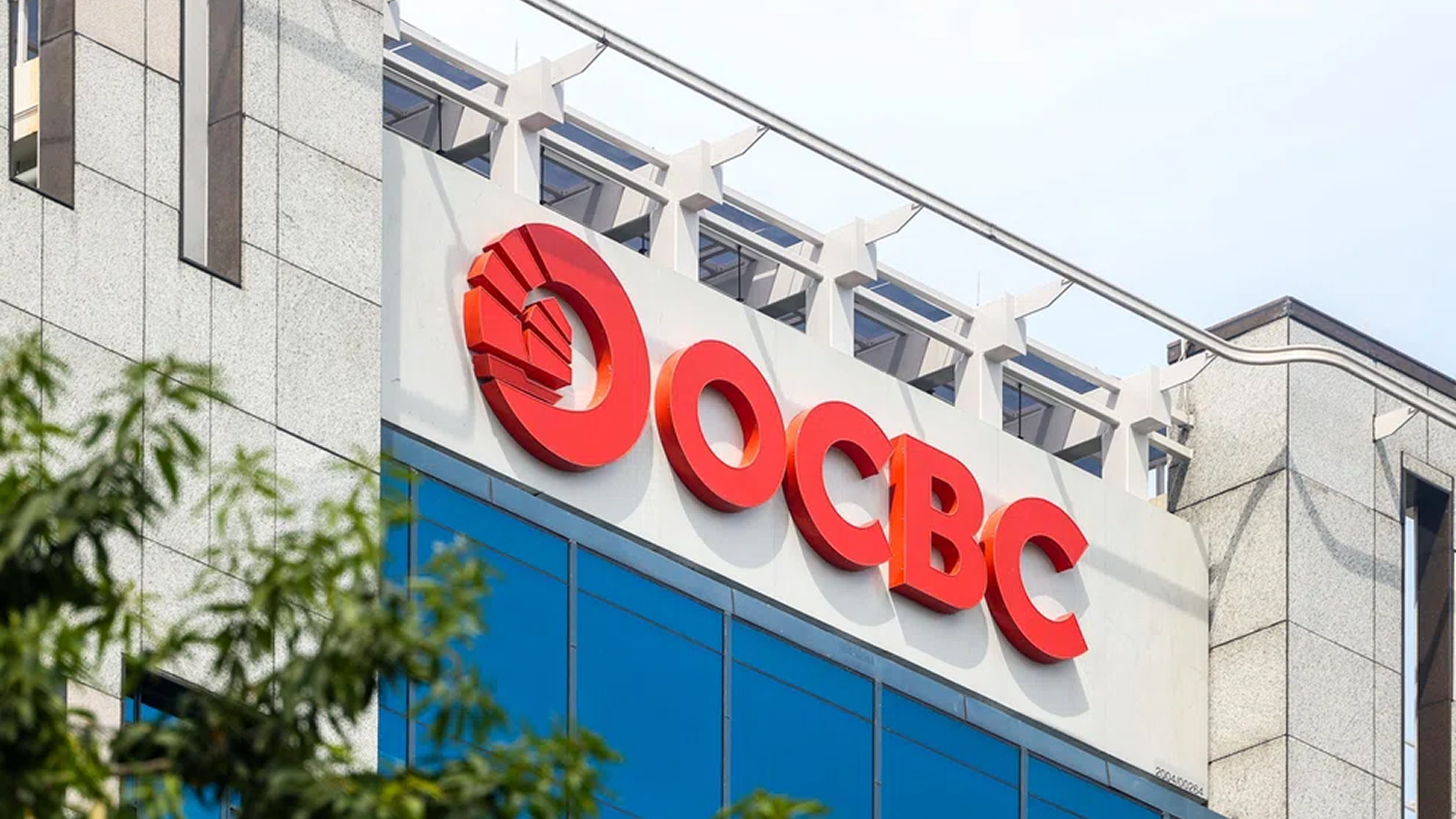
OCBC, together with Lion Global Investors and DigiFT, recently launched GOLDX, described as Southeast Asia’s first on-chain tokenized physical gold fund.
The launch stands out because it combines several worlds that have often operated separately until now: traditional banking, regulated investment management, and public blockchain infrastructure. Instead of coming from a crypto-native startup, this initiative is backed by one of Asia’s largest banks and regulated financial institutions operating under Singapore’s financial framework.
GOLDX gives investors exposure to physical gold through blockchain-based tokens issued on Ethereum and Solana. Investors can access the product using fiat or stablecoins, while the underlying gold exposure remains connected to a regulated investment structure. This creates a much more familiar and institutionally acceptable approach compared to earlier generations of tokenized gold products that were mostly targeted at crypto users.
One of the most interesting parts of this development is timing. Gold has once again become a major topic across global markets as investors continue looking for stability during periods of economic uncertainty, inflation concerns, and geopolitical tension. At the same time, financial institutions are becoming more comfortable with blockchain infrastructure as a tool for settlement, ownership tracking, and distribution.
When these two trends meet, tokenized gold becomes one of the clearest real-world asset use cases available today.
Gold already has global recognition, strong liquidity, and a long history as a store of value. Blockchain technology adds programmability, 24/7 accessibility, fractional ownership possibilities, and faster movement of value across platforms and jurisdictions. For institutions, this can create operational efficiencies while also opening the door to new types of financial products.
The launch of GOLDX also shows how quickly tokenization is evolving beyond proof-of-concept discussions. Large financial players are no longer only experimenting internally. They are beginning to release products directly into the market with real users, real assets, and regulated structures behind them.
Singapore continues positioning itself as one of the most active regions for regulated digital asset innovation, and projects like GOLDX are helping shape what the next generation of financial infrastructure may look like. Rather than replacing traditional finance, tokenization is increasingly being integrated into it.
For the broader RWA industry, this is another signal that tokenization is moving toward practical adoption. Gold, treasury products, funds, deposits, and other financial instruments are gradually finding their way onto blockchain networks, not as speculative experiments, but as operational financial products designed for real-world usage.
As more banks and asset managers enter this space, tokenized gold may become one of the strongest bridges between traditional finance and blockchain technology.

%201.png)
.png)